Energy costs, fragmented data and increasingly complex consumption patterns make energy management a significant operational concern for businesses. Companies need to understand not only how much energy they use, but also whether their contracts, invoices and consumption patterns reveal opportunities for savings.
Spanish energy technology company Linkener develops digital tools that help businesses and organisations monitor, analyse and optimise their energy use. Founded in 2011 and based in Valencia, the company combines proprietary metering technology, data analysis and software to make energy information more useful for operational decision-making.
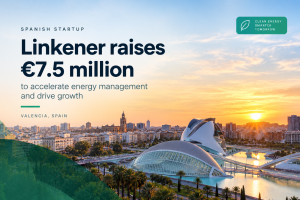
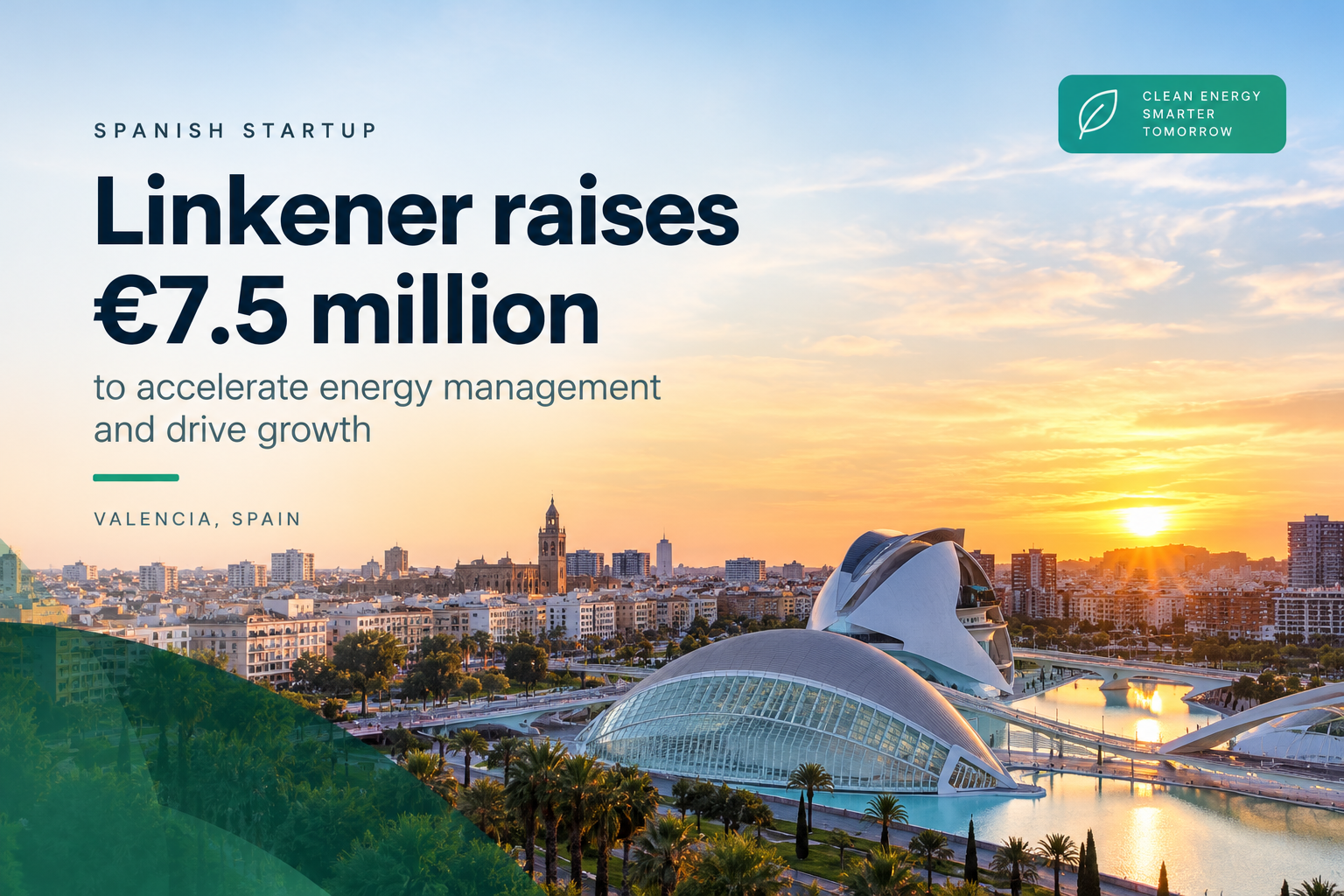
On 19 October 2026, Linkener announced a €7.5 million funding round led by Klima Energy Transition Fund, managed by Alantra, with existing investor GoHub Ventures continuing to participate. The investment is intended to accelerate technological development, strengthen the company’s use of artificial intelligence and support growth, including through acquisitions.
This article covers:
- Linkener’s energy management technology and business model.
- Its October 2026 investment and participating investors.
- The company’s growth strategy and market opportunity.
- What its funding journey shows other entrepreneurs.
- How founders can prepare to pursue relevant funding opportunities.
Digital tools for a more efficient energy system
Linkener has developed an Intelligent Energy Management System, known as SIGE, supported by its own remote metering technology. The platform enables businesses to measure consumption, validate and digitise energy invoices, analyse energy supplies and receive alerts and recommendations to identify potential savings.
The goal is to help customers move beyond fragmented records and manual analysis towards a more informed approach to energy management. By bringing consumption data and billing information together, organisations can better understand their energy costs, detect anomalies and identify where operational changes may be worthwhile.
This is relevant across a range of commercial and institutional settings. Organisations operating multiple facilities or energy supply points can find it difficult to compare consumption, validate invoices and maintain consistent oversight. Digital monitoring can make this information easier to access and act upon.
According to information published around its October funding announcement, Linkener serves more than 2,000 customers, monitors 10,000 supply points and manages an annual energy volume of 1.7 terawatt-hours (TWh). The company has also reported carrying out more than 400 solar and energy storage projects in Spain.
These figures indicate that Linkener is developing its technology in an operating market rather than relying solely on a concept-stage product. For an energy technology company, an established customer base and real-world consumption data can provide a foundation for further product development.
October 2026: A €7.5 million investment round
On 19 October 2026, Linkener announced a €7.5 million financing round led by Klima Energy Transition Fund, Alantra’s energy-transition investment fund. Existing investor GoHub Ventures also participated.
The investment brings together a specialist energy-transition investor and an existing backer of the company. Klima I, the fund behind the investment, is a €210 million fund sponsored by Alantra and Enagás, alongside institutional investors including the European Investment Fund, the Canadian Pension Fund and Axis ICO.
For Linkener, the round is designed to support several related objectives:
- Technology development: strengthening its proprietary energy management platform.
- Artificial intelligence: developing AI models to automate the processing of energy information and invoices, detect anomalies and identify optimisation opportunities.
- Product and service expansion: extending the capabilities offered to customers.
- Business growth: accelerating organic expansion and exploring acquisitions of complementary products or companies.
These priorities are closely connected. Improving data processing can make the platform more useful, while broader product capabilities can help Linkener serve additional customer needs. Acquisitions could complement this development by adding technologies, products or capabilities that would otherwise take longer to build internally.
The investment also reflects the potential of digitalisation in a sector where energy monitoring and management processes can remain fragmented. Businesses face pressure to control costs, improve efficiency and make better-informed decisions about energy consumption. Software that helps them understand and act on their data can become part of that response.
Growth opportunities and the role of AI
Linkener’s strategy combines the development of its existing platform with a broader ambition to consolidate its position in a fragmented market. Its October investment is intended to support both internal development and potential acquisitions.
Artificial intelligence is a central element of this plan. Energy invoices, consumption records and supply information can involve substantial amounts of data, and analysing them manually can be time-consuming. Automating these processes could help customers identify unusual patterns faster and receive more actionable recommendations.
However, the value of AI in energy management ultimately depends on the quality of the underlying data and the relevance of the insights produced. Linkener’s experience with metering and energy management provides a foundation for developing tools connected to real operating conditions.
Acquisitions may offer another route to growth. In a fragmented sector, purchasing complementary technologies or businesses can potentially expand a company’s capabilities and customer reach more quickly than organic development alone. The challenge is to ensure that any acquisition fits the existing platform and contributes to a coherent long-term strategy.
What Linkener’s funding journey shows
- Build on operational experience.
Linkener’s established customer base and energy management activities give its technology a practical foundation for further development.
- Match investors to the company’s sector.
The participation of an energy-transition fund connects the investment to the broader shift towards more efficient energy systems.
- Link funding to measurable business priorities.
Technology development, AI capabilities, commercial expansion and acquisitions provide a clear framework for deploying the new capital.
- Use data to create customer value.
Energy management software must turn monitoring into decisions that can help organisations understand costs and identify savings.
- Balance organic growth with strategic acquisitions.
Buying complementary capabilities can accelerate expansion, but only when they fit the company’s product and commercial strategy.
For entrepreneurs operating in climate technology, energy or industrial software, Linkener illustrates the importance of combining technical development with a credible route to market. Investors need to understand not only what a product can do, but also who will use it, what problem it solves and how the business can grow.
How Fundingtrip can help entrepreneurs
Securing investment requires a clear growth plan, an understanding of suitable investors and a funding strategy that reflects the company’s stage and sector. Fundingtrip helps entrepreneurs explore these questions and prepare for financing opportunities. The Fundingtrip courses offer founders a way to develop their funding knowledge and build a stronger approach to business growth.
About the author of this post

.
Sara Gavidia
Content Creator
Communications Manager & Content creator
LinkedIn
[email protected]
.
Hello! I’m Sara 👋🏻
I’m FundingTrip’s Content creator. I write posts about technology, funding and innovation. If you liked this one, subscribe to our newsletter to receive more updates!
Post reviewed by David Arias, funding expert.