The agrifood industry is currently undergoing a multifaceted transformation driven by climate change, sustainability, evolving consumer demand, and the rapid integration of robotics/AI.
These tendencies are constantly interacting with one another on a global scale, for example, climate shocks raise the cost of production and force supply-chain redesign; consumers and policymakers push for lower-impact diets and greater transparency; and investors and firms increasingly channel capital into resilience, decarbonisation, and digital traceability.
With that being said it is important to highlight the impact of agritech within the agrifood sector. Let’s explore both terms in more detail 👇🏻
Agrifood vs. Agritech: What’s the difference?
The main difference can be found in the definition of both terms: Agrifood is the industry and value chain of food and agriculture, whereas agritech is the specific technologies and innovations which power and improve the Agrifood industry.
Agritech exists within agrifood food systems and continues to improve with the fine tuning of certain technologies. These include:
- precision agriculture,
- biotechnology,
- data analytics,
- robotics.
While agrifood focuses on the farm to plate process, agritech is working to get those products from the fields and into the farm more efficiently. The rise of AI/robotics, IoRT, and new innovations like vertical farms will continue to shape the future of agrifood. Although these are relatively new technologies there is reason to believe that they will continue to evolve and help optimize the food sector.
How does Agritech integrate with Agrifood?
In the last few years, there has been quite a bit of overlapping between these two terms. Some key trends that integrate agritech within the agrifood industry include:
- Digital transformation through AI, IoT, and robotics;
- a focus on sustainability via regenerative agriculture and alternative materials;
- advancements in biotechnology and alternative proteins;
- growing adoption of precision farming to optimize resources;
- the rise of controlled environment agriculture like vertical farms.
How is Agrifood evolving?
There seems to be a shift happening in the Agrifood industry and certain trends emerging in the market. These include:
- the use of alternative raw materials and fuels,
- sustainable packaging and agricultural plastics,
- soil management and regenerative agriculture, and alternative proteins,
- the expansion of AI and robotics in precision agriculture,
- the growth of biological solutions and regenerative practices,
- increased focus on supply chain sustainability and traceability,
- advancements in urban and vertical farming, and
- the rise of novel proteins and personalized nutrition.
Latest Tendencies in Agrifood
There are many growing challenges the agrifood industry is currently facing. From the devastation caused by climate change to the new shift in diets and the investment opportunities, all through the new era of digitalization.
So how is the agrifood industry facing current challenges? And how are these challenges affecting the agrifood industry?
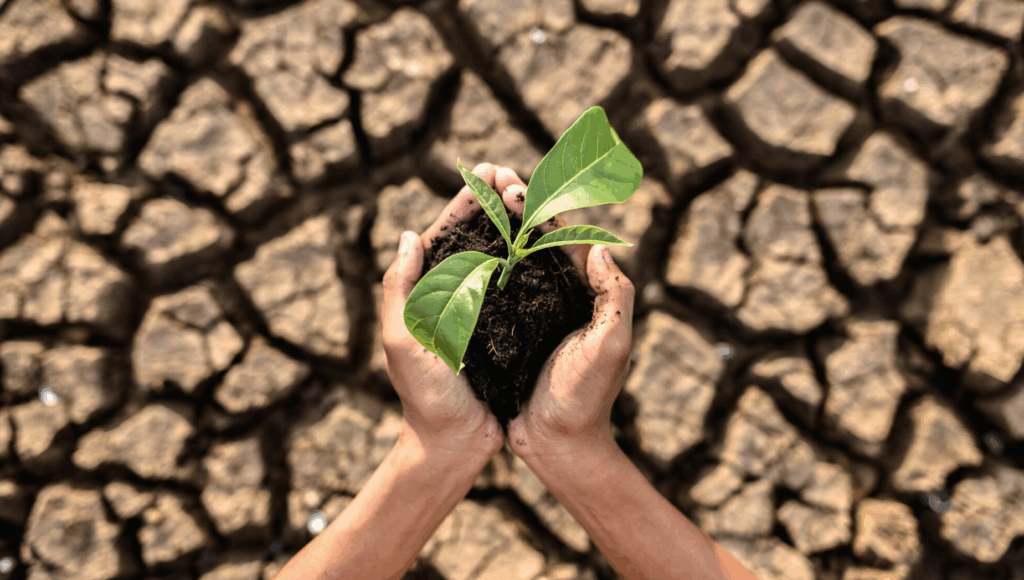
1. Climate shocks and resilience
Extreme weather such as droughts, heatwaves, and floods are creating uncertainty and inaccurate predictions for farmers. Many farmers are stating that in recent years harvests have been the worst they have seen in decades. Since 2020 the UK has seen a year’s worth of bread lost due to the lack of wheat production from extreme heat.
With the increase of climate shocks it is safe to say farmers across the globe are dealing with the same devastation. Also, extreme weather is pushing companies and investors to spend more funds on special equipment in order to be more resilient.
🎯Their goal is to prevent or lessen the severity of damaged crops, so that farms are able to operate at full capacity.

2. Sustainability & diets
As climate change continues to affect everything there seems to be a push to transition into a more sustainable food path.
Evidence suggests that 15 million deaths could be avoided each year with the increase of plant-based diets across the globe. Not only that but the adoption of these “healthier diets” would also drop agricultural emissions by a significant amount. Since food systems are the biggest contributors to greenhouse gas emissions, altering a small piece would be a great benefit.
🎯A heavier focus on plant-based diets would decrease red meat production and ultimately lower the amount of planet-warming gases.

3. Alternative proteins
Companies are continuing to innovate throughout the food sector. Most importantly when it comes to protein alternatives.
Consumers are opening up to this idea because it is becoming more common to value one’s health as well as the environment. There are 3 main types of alternatives in the market currently. These are plant-based products, cultivated meat, and fermentation products. In terms of environmental benefits, plant-based products require less resources such as land,water,and fossil fuels. All while boosting the overall efficiency of food systems around the world.
🎯The future of protein alternatives will heavily rely on the ability of producers to meet the expectations of consumers.

4. Digitalisation & traceability
In the agrifood industry a big priority is food quality and safety. This means that all throughout the supply chain certain measures are taken to ensure this. One of these measures is using digitalisation to trace food throughout the entire production process and even until it reaches the hands of the consumer. It comes in handy when food is contaminated and needs to be recalled. The traceability allows for all the contaminated food to be destroyed while the uncontaminated food stays, preventing unnecessary waste.
🎯Real-time monitoring provides farmers and suppliers with insights that are difficult to measure without digitalisation.

5. Finance flows & risk allocation
Currently more investors are pouring into low-carbon agrifood systems to ensure climate resilience of food production and sustain economic growth. Agrifood systems employ about 30% of the entire global workforce, which means there is a lot of capital and resources to be allocated. Unfortunately, the industry is also responsible for things like deforestation, biodiversity loss, and greenhouse gas emissions. With the help of investors and the proper policy frameworks the industry can make a significant impact restoring ecosystems and focusing on climate-resilience.
🎯These types of financial and technological advancements could mean a fourth industrial revolution that is on the horizon for the agrifood sector.
Article written by Oscar Escobar, updated by Sara Gavidia.
Images by Freepik.