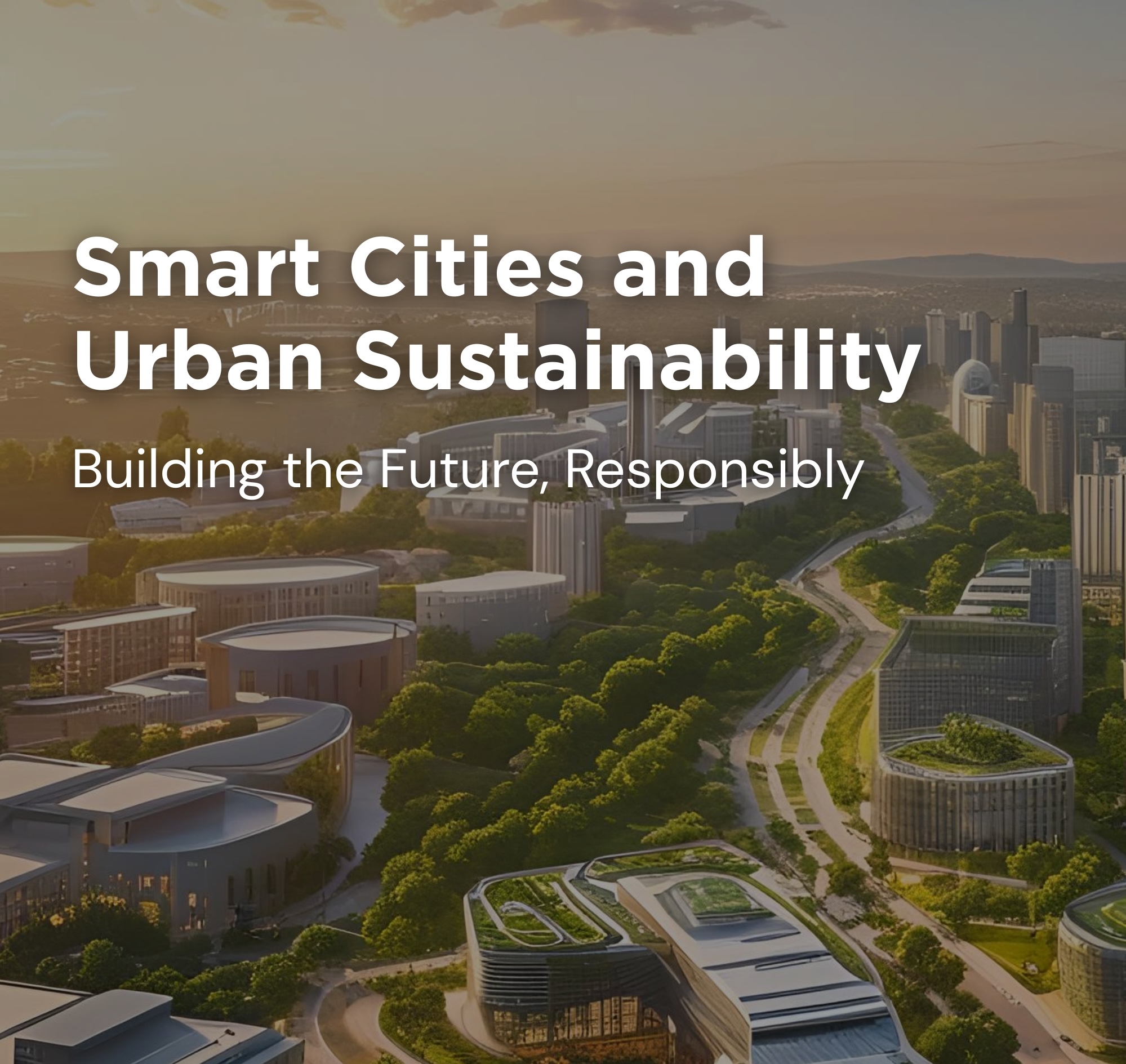
As more and more people move into cities – over 4 billion today, and an expected 7 billion by 2050 – we’re facing one of the biggest challenges of our time: How to make urban life more livable, equitable, and sustainable. That’s where smart cities come in. These aren’t just tech-filled places with gadgets everywhere; they’re urban spaces that use technology and data in thoughtful, integrated ways to improve everyday life and reduce our impact on the planet.
What Exactly Is a Smart City?
A smart city isn’t just a network of sensors and Wi-Fi. It’s a system, a living, evolving ecosystem where technology, policy, and community work together. The goal? Better quality of life, more opportunity, and a smaller environmental footprint. True smartness comes from how a city uses data and innovation to improve things like energy use, transportation, waste systems, and access to services, especially for those who need it most.
The Three Core Pillars of Urban Sustainability
Smart, sustainable cities stand on three key foundations:
- Environmental sustainability: Cutting emissions, protecting resources, and designing cities that work with nature, not against it.
- Social sustainability: Making sure cities are inclusive, fair, and participatory, where everyone has access to basic services and a voice in decisions.
- Economic sustainability: Encouraging innovation and long-term economic health, while being prepared for the ups and downs of a changing world.
Cities that manage to balance all three are the ones most likely to thrive today and tomorrow.
How Tech Is Driving the Shift
1. 5G-Advanced and Hyper-Connectivity
5G-Advanced networks are transforming cities by enabling real-time communication between devices—from traffic sensors to emergency systems—making urban services faster and more responsive.
2. AI + IoT = Smarter Systems
AI and IoT are helping cities “think” smarter, using data to predict maintenance needs, manage traffic, and optimize energy use—leading to less waste and better services.
3. Design That Puts Sustainability First
Cities like Freiburg, Amsterdam, and Masdar are providing sustainable design works—with walkable neighborhoods, green energy, and community-driven planning at the center.
What Makes a City Truly Sustainable?
The European Environment Agency highlights several traits of sustainable smart cities. These include:
- Integrated, forward-thinking planning.
- Clean, renewable energy sources.
- Efficient buildings and infrastructure.
- Reliable public transit and active transport options (like biking and walking).
- A strong focus on equity and environmental justice.
- Open, accessible green spaces.
- Transparent, data-informed decision-making.
It’s not just about having the right tech, it’s about using it to support systems that work for everyone.
What Smart Cities Look Like in Real Life
Amsterdam has been a pioneer since 2009, with its smart meters and clean mobility initiatives aiming to cut CO2 emissions by 40% by 2025.
Paris uses a network of sensors to monitor how much energy buildings are using, giving residents the tools to waste less and save more.
Freiburg has spent decades becoming a model of green urban planning, blending renewable energy, public transport, and walkability in a way that works seamlessly.
So, Where Do We Go from Here?
At the end of the day, smart cities aren’t just about apps, sensors, or flashy tech. They’re about people. The most successful smart cities keep community and sustainability at the center of everything they do. As our urban areas grow, we have a chance to rethink how we build, live, and connect.

Article and cover by Pauline Olazabal.