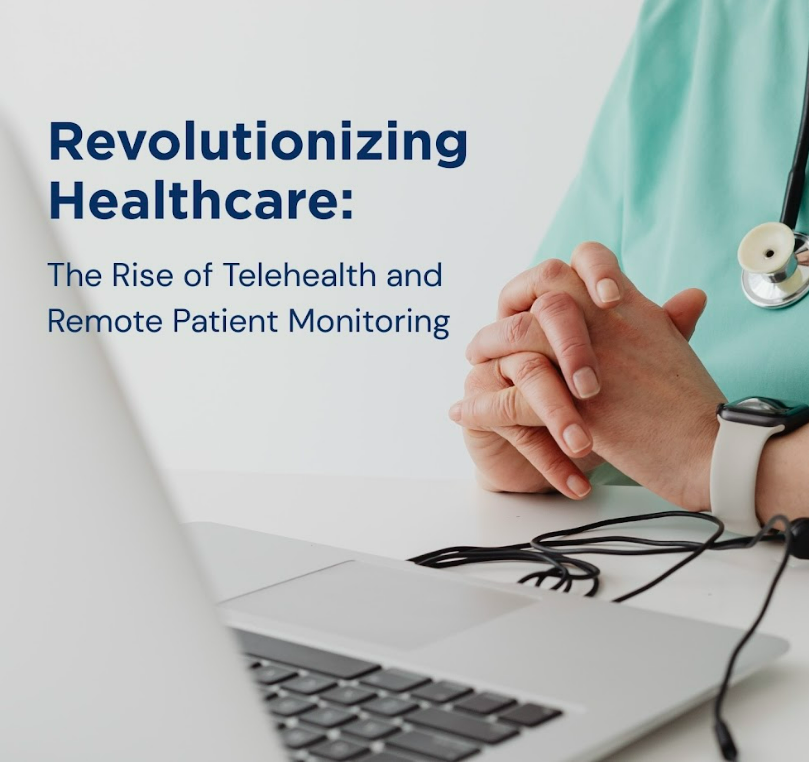
The healthcare landscape is undergoing a significant transformation, driven by technological advancements and the need for more accessible, efficient care. At the forefront of this evolution are telehealth and remote patient monitoring (RPM), two innovations that are reshaping how patients and providers interact with each other.
Understanding Telehealth and RPM
What is Telehealth? It refers to the delivery of healthcare services through digital communication technologies, allowing it to give consultations, diagnoses, and treatment plans without the need for in-person visits. This approach has been vital in increasing healthcare accessibility, especially for individuals in remote or underserved areas.
Remote Patient Monitoring (RPM) involves the use of connected devices—such as blood pressure monitors, glucose meters, and pulse oximeters—to collect and transmit patient health data to healthcare providers in real-time. This continuous flow of information allows it to have better management of chronic conditions, mental health issues and timely interventions, allowing it to have the following benefits:
1. Enhanced Patient Engagement and Self-Care
By providing patients with tools to monitor their health, RPM fosters greater involvement in personal healthcare management. This empowerment can lead to improve treatment plans and better health outcomes.
2. Reduced Hospital Readmissions and Emergency Visits
Continuous monitoring enables early detection of potential health issues, allowing patients to have less impromptu interventions that can prevent hospitalizations. This not only benefits patient health but also alleviates the burden on healthcare facilities.
3. Cost-Effective Care Delivery
Telehealth and RPM can lead to significant cost savings by minimizing unnecessary in-person visits and optimizing resource allocation. For instance, RPM programs have been associated with lower total care costs for high-risk patients.
4. Improved Access to Care
Telehealth breaks down geographical barriers, ensuring that patients abroad, rural or further regions have access to quality healthcare services at any time.
Challenges and Considerations of Telehealth and RPM
Despite all of these advantages, the implementation of telehealth and RPM is not without challenges:
- Data Privacy and Security: Sending sensitive health data can always have cybersecurity measures to protect patient information.
- Technology Integration: Ensuring compatibility between various devices and electronic health records can be difficult in some ways and requires standardized protocols.
- Patient and Provider Training: Both patients and healthcare providers need appropriate training to effectively use telehealth platforms and RPM devices.
- Regulatory and Reimbursement Policies: Navigating the telehealth regulations and insurance reimbursements can be challenging for providers.
The Future Outlook
The COVID-19 pandemic accelerated the adoption of telehealth and RPM, highlighting their potential in delivering safe and effective care for people all over the world. As technology continues to advance, these tools are expected to become integral components of standard healthcare practices. Innovations such as artificial intelligence and machine learning are being implemented to further enhance the capabilities of telehealth and RPM.
In conclusion, telehealth and remote patient monitoring represent significant strides towards a more accessible, efficient, and patient-centered healthcare system. While challenges remain, ongoing advancements and increased adoption suggest a promising future for these technologies.
Article and cover imagen by Pauline Olazabal.